

Deciding to pursue a DHI hair restoration procedure is a substantial emotional milestone for countless men and women facing alopecia. As advanced restorative techniques continue to advance, DHI has as a extremely preferred method owing to its accuracy and seamless outcomes. Nevertheless, not every candidate are an suitable match for this specific approach. Identifying the nuanced criteria that define suitability remains vital for those contemplating this restorative intervention. The detailed guide delves into the primary qualifications for DHI participants, providing you have the knowledge necessary to formulate an educated decision.
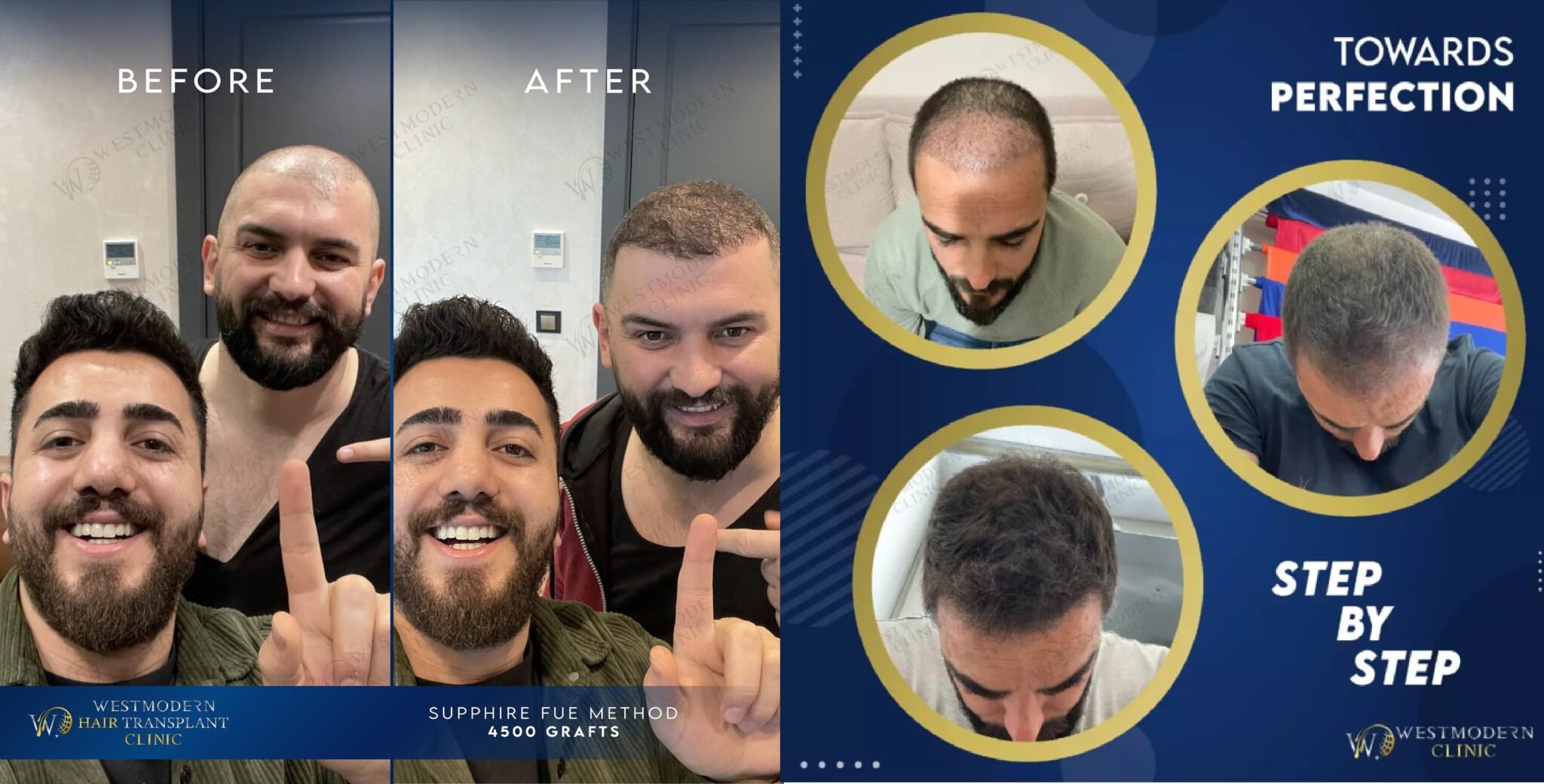
A first and arguably the most important criterion for any DHI patient involves having sufficient donor hair follicles at the back and sides of the scalp. These donor areas are the reservoir from which viable follicles will be taken to be implanted into the balding regions. In the event that a would-be candidate does not have high-quality donor hair, achieving desired density proves to be highly problematic. Specialists thoroughly assess the available follicular supply, texture, and skin flexibility in the course of the initial evaluation to confirm if the procedure will be feasible. Candidates possessing minimized donor supply could need to consider different options, like non-surgical therapies.
Apart from follicle availability, the stage of pattern balding plays a pivotal role in deciding DHI suitability. Typically, individuals who have slowed stages of hair thinning make for better candidates. If pattern loss is highly unstable, transplanting follicles within areas adjacent to remaining hair may lead to additional loss as the original hair continue to thin. Many surgeons advise candidates first manage their pattern thinning via clinically validated treatments including minoxidil prior to proceeding with DHI intervention. Such a cautious step secures sustained satisfaction along with avoids the need for frequent touch-up procedures.
A patient's age is another variable that often shapes suitability for Direct Hair Implantation hair restoration. While it has no chronological limit, experts usually prefer patients who are at least 25 years. At this point, the individual's hair loss is clearly established, making strategic mapping of the restoration more reliable. Early- dhi istanbul possessing aggressive pattern loss commonly experience future planning challenges, as their full scalp pattern profile has not yet entirely revealed. Operating prematurely early can limit harvestable resources which might be more effectively needed further down the line as the loss expands.
Overall physical health remains an absolutely essential requirement for Direct Hair Implantation surgery. Since the procedure is a form of minor surgery, candidates need to possess stable systemic condition. Pre-existing health issues such as uncontrolled hypertension, ongoing skin ailments, and specific disorders could significantly heighten potential dangers and negatively impact success rate. Candidates are asked to provide a detailed health background during the initial consultation. Remaining open regarding previous surgeries is crucial for surgeon patient well-being along with guaranteeing a optimal outcome.
Finally, possessing achievable hopes is a key component for a Direct Hair Implantation patient. While the procedure is a innovative solution, the procedure does not promise an unlimited head of natural hair if donor follicles are scarce. Individuals ought to comprehend what their main purpose is to provide a more aesthetically balanced improvement, instead of reverting their scalp coverage to their childhood form. Maintaining an open as well as comprehensive dialogue with the surgeon concerning the what can be actually attained is sure to assist align expectations and a high sense of overall happiness after the surgery. By properly evaluating these key prerequisites, would-be patients may confidently confirm whether Direct Hair Implantation an appropriate journey for individual hair aspirations.